The night is long like a syringe— drip by drip time is drawn out slowly—
and I am red like blood— darkening, swirling in the vial— With metal ticks and tocks
my steps ascend the staircase to the call-room floor— As one— dim-lit
and dusted, quiet as a drip— I pass between the rooms of sleeping residents
In an unlit room in the last corner of the hospital there is a sink and the only
open window— I've come to boil water— as it bubbles, I unpackage my noodles
and break them into a black bowl— Yellow strings, dried vegetables,
cheap herbs, and salt take time to soak and swell with warmth— As I wait
in the slow glow of yellow by the sill— a gravid wind sails through the window
to centrifuge and settle— to sedate and center— cooling my dark and jaundiced skin
Somewhere else, there are ravines and streams tumbling,
fields of broken stones and blooming hills— ten-thousand miles away
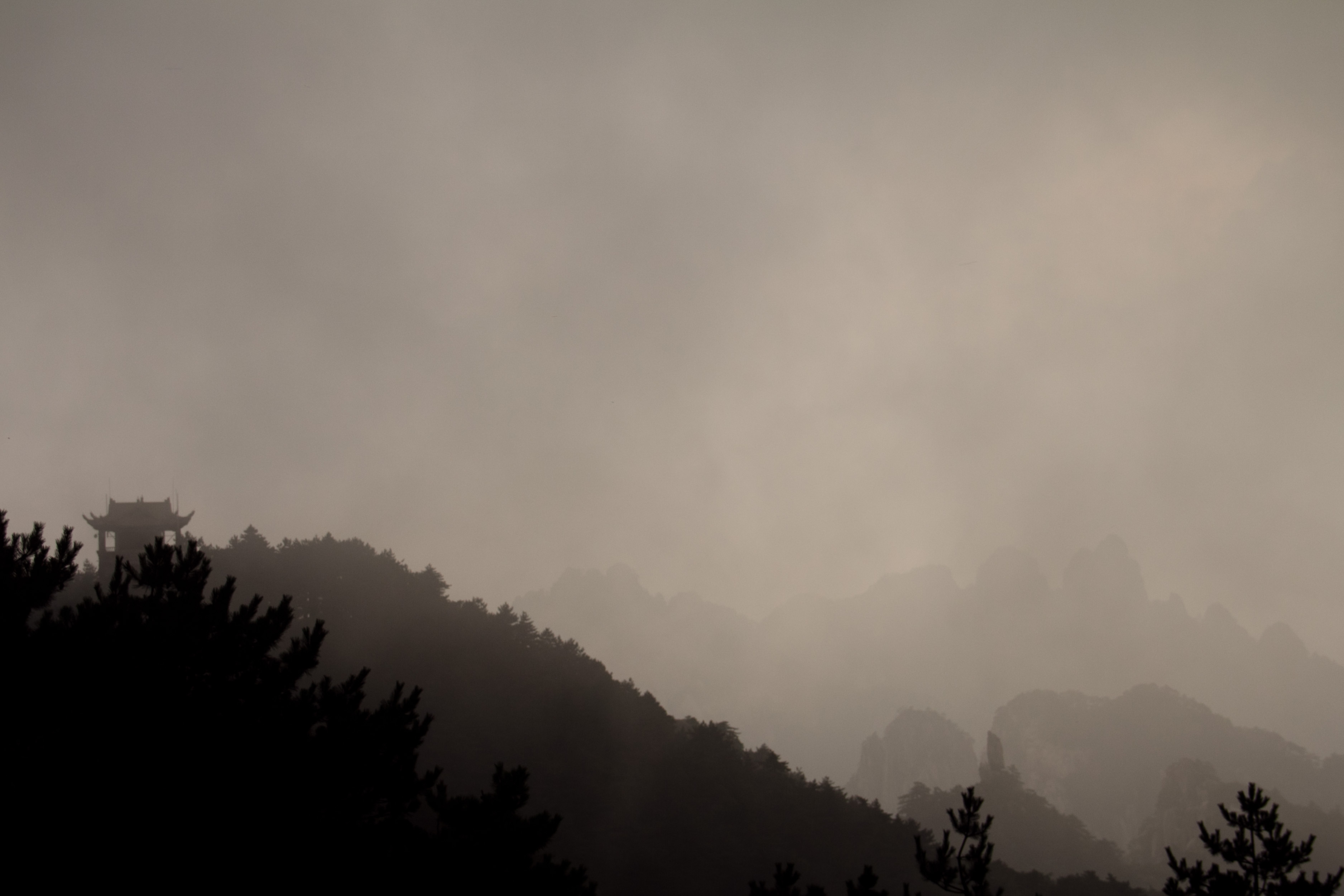
from here, the sky is an ink wash bleeding grey— clouds are carrying their weight,
waddling through mountains and cliffs like pregnant women— waiting
to deliver to an audience of lightning and thunder, then empty into ancient meaning
Tranfuse below 7 – A multicenter, randomized, controlled clinical trial of transfusion requirements in critical care. NEJM. 1999.
Hematocrit – means “to separate blood,” which was measured by centrifuging blood in a tube; divide by three to estimate hemoglobin
During my residency, we had 24-hour calls in the hospital in which at night you would be alone. We would admit new patients and take care of the current ones. This involved visiting the ER, answering nursing questions, or seeing currently admitted patients if they had urgent medical problems over night. Other shifts would involve delivering babies and seeing women in triage. Between the pages and work you may be fortunate enough to eat and nap.

Leave a Reply